Healthy Life Heather

  • Home
  • Heather
    • About Me
    • Contact
    • Disclaimer
  • Healthy Living
  • Wellness Journey
  • Resources
  • Facebook
  • Twitter
  • Instagram
  • Pinterest

Intro to Functional Medicine: How I’m treating chronic health issues

December 31, 2015 by Heather 1 Comment

Intro to Functional Medicine
Intro to functional medicine how I am treating chronic health issues

In the spring of 2014, I heard a term I’d never heard before – functional medicine.

My digestive health had been on a steady decline for a year and a half, and I was reaching a point where something HAD to change.

I took a few ideas and started researching them online, and it didn’t take long for “digestive health” and “grain-free diet” to pop up together. The more I read about adopting a Paleo-like approach to eating, the more I saw authors and speakers recommend “functional medicine” doctors.

We’ve heard of Western and Alternative Medicine before, but what is Functional Medicine?
Intro to functional medicine -- why I am choosing functional medicine to diagnosis and treat chronic gut health issues

What is functional medicine

Functional medicine:

  • often combines elements of western/conventional medicine and alternative medicine (providing acute care and a preventative/wellness focus)
  • offers a more personal relationship and partnership between practitioner and patient (appointments are longer with ample time for questions and discussion)
  • assesses how the different systems within the body are or aren’t functioning properly (and how one may influence the others)
  • treats health issues by looking for the underlying causes of symptoms
  • focuses on how medicine, food, supplements, exercise, and lifestyle can help us pursue health and wellness

Learn more from the Institute for Functional Medicine.

Why functional medicine

Once the list of food allergies and intolerances started to grow out of control, I couldn’t eat a single meal without feeling miserable. Getting through the day just felt exhausting with all of the uncertainties, and I knew I needed major help.

It seems like many functional medicine practitioners entered the field after having gone through significant health issues themselves. And, they have loads of experience treating patients with digestive/gut health concerns. Experience + empathy sounded like exactly what I wanted from a doctor.

Plus, when it comes to everyday living, I’ve preferred more natural approaches to healthcare since my late teens/early 20s. As a rule, I don’t like taking medication unless necessary. I’m sure there are prescriptions and over-the-counter medications that could mask my digestive health symptoms. However, relief from symptoms doesn’t mean the source of the health problem has gone away. I want to get to the root cause of a health issue and tackle it directly.

My functional medicine experience

In the summer of 2014, when the GAPS diet wasn’t helping as much as I had hoped, I made my first appointment with a functional medicine doctor. For a year, I worked closely with the practice’s two doctors to make changes in my diet, identify helpful nutritional supplements, discuss lifestyle changes, and take tests to help identify underlying causes of my health problems.

While I saw some improvements in that last year, some issues persisted, and Gav and I decided it was time for a second opinion. In the summer of 2015, I scheduled an appointment with a new doctor, and I’m happy to say we’ve made significant progress in the last several months.

Functional medicine: Nutrition
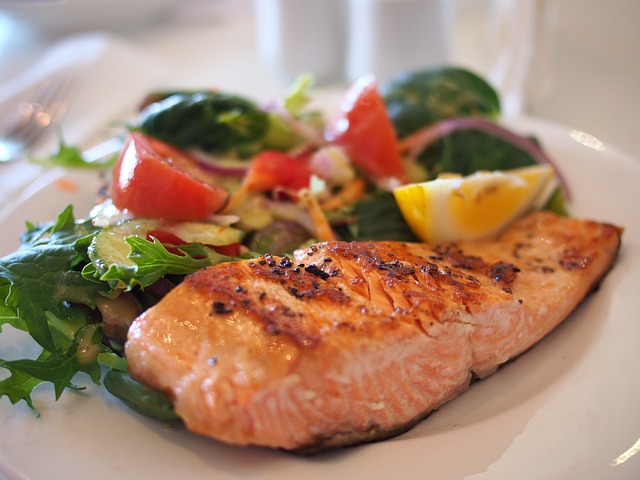
Functional medicine approach to nutrition helps reduce symptoms and restore gut health

As a whole, functional medicine encourages us to eat real foods, minimize sources of added sugar, and eliminate foods that are causing allergy-like responses. By eating nutrient dense foods and reducing or eliminating problematic foods, we can improve our health both in the short and long term.

A paleo-ish diet is often followed, as it removes grains (which further inflame the gut of us sick folks), processed foods, and excess sugar. I add the “ish”, as people often modify the paleo diet for their unique needs. For me, paleo-ish has meant following paleo guidelines in addition to removing a variety of paleo-friendly foods, which my body hasn’t been responding well to.
functional medicine and treating food allergies

Functional medicine helped me identify the foods I was eating that were NOT working for me, even though they’re regarded as healthy. My body was unable to break down some of those foods and digest them properly, leading to a variety of problems. The dysfunction of my small intestines led to developing an allergy-like response to foods I had been consuming for years with no problem.

By working closely with functional medicine practitioners, I’ve been better able to identify which foods are best for my body in the moment, and that list of foods has changed (and improved!) as my health improves.

Functional medicine: Testing

Chris Kresser, one of my favorites in the health and wellness world, likes to say “test, don’t guess”.

While symptoms can help lead to a diagnosis and treatment, many health issues have similar symptoms, so it can be difficult to determine the underlying issue correctly. I strongly believe that a large part of the reason I’ve been struggling for so long is that my symptoms can be attributed to any number of issues. Finding the needle in the haystack is difficult and time consuming.

functional medicine testing, test dont guess

That’s where fairly comprehensive testing comes into play. My symptoms could point to a general imbalance of gut bacteria (the good and the bad), an overgrowth of bacteria in the small intestines, parasites in the large intestines, heavy metal toxicity, adrenal fatigue, or several other issues. Since these are each treated differently, it’s important to determine which, if any, of these issues are present.

In the last year, I’ve had my fair share of tests.

  • 3 different stool tests to look for parasites and other such fun things
  • hydrogen breath tests to test for SIBO (both the glucose and lactulose tests to best assess the entire length of the small intestines)
  • blood work for IgE food allergies
  • comprehensive blood panel for various wellness markers (thyroid, vitamins and minerals, candida, etc)
  • 2 different heavy metals (mercury focused) tests
  • methylation eval through 23andme.com and blood work to assess “functional methylation”
  • organic acids test
  • hormone and adrenal fatigue assessment
  • and perhaps another 1-2 tests I’m forgetting
  • more info on commonly used tests in functional medicine

Although taking this many tests has been costly, I’m more determined than ever to get to the bottom of this mystery. In future posts, I’ll share what I learn from the results, as well as a few of my test-taking experiences.

Functional medicine: Supplements

Though the most frequently asked question is “what CAN you eat?!“, folks also ask what kind of supplements I take and why.

I’m no stranger to taking nutritional supplements. Since my late teens, I’ve taken a supplement or two along with the rest of my family. But there are HUNDREDS if not thousands of supplements one could take, and purchasing more than a few can get quite expensive.

This is where the benefits of working with a skilled practitioner come into play. All of the supplements I’m currently taking were recommended AFTER discussing my health concerns at length with a doctor, reviewing test results, and discussing my progress over the course of several months.

Though I’ll go into more detail in a future post, I’m currently taking supplements to:

  • address leaky gut (permeability of the small intestines)
  • aid the digestion process (helping my body break down food properly)
  • reduce stress, anxiety, and sleep issues
  • help the thyroid functional optimally

One important note is that supplements are just that – supplementary. They’re not designed to be a crutch for poor decision making when it comes to taking care of ourselves, but they certainly shine in addressing gaps in health care that we might not be able to fill without them.

Functional medicine: Lifestyle

It’s no secret that stress is related to many health problems. It can be a vicious circle, as stress can lead to health problems, and health problems, in turn, often result in physical, emotional, and financial stress.

Functional medicine focuses on reducing sress and improving lifestyle

One thing I’ve relearned over and over throughout the last year – if you don’t reduce and manage stress, you’ll be limited in how much progress you can make. Or if you’ve made progress, you’re likely to suffer setbacks if you don’t get a handle on stress.

I FULLY admit to not handling stress very well. It’s always been that way! I pick up on and often absorb emotions from others. Over the last few years, between the health issues, challenges for various friends and family, and the emotional, physical, and mental challenges of having chronic health issues, there’s been a lot of stress to wrestle with.

Thankfully I’ve tried some tools to help deal with stress (though I still have a LONG way to go) and I’ll share those in a future post.

What’s next?

I’m writing this at the end of 2015 (literally — it’s the 31st!), and I’m 2 weeks away from wrapping up treatment for 2 conditions that were FINALLY identified in October. HOORAH!

I had planned to take copious notes and blog throughout the treatment process, but work + treatment + life kept the days and weeks full of activity with little time for processing and writing. Now that the this 1st round of treatment is almost complete, I’m ready to reflect, write, and share!

In early 2016, look for more info about my recent diagnoses and how they were treated, healthy and satisfying recipes, and helpful health-promoting resources.

Through food, functional medicine, and faith, we’re solving this health puzzle of mine, one piece at a time. Thanks for following my journey, and don’t hesitate to let me know if I can lend an ear during your own.

functional or integrative medicine addresses underlying causes of symptoms

Filed Under: wellnessjourney Tagged With: functionalmedicine

5 Paleo Travel Tips: How to eat healthy, real food while traveling

August 6, 2015 by Heather 7 Comments

Disclosure: This page contains affiliate links.

Paleo travel tips (5 ways to eat healthy, real food while traveling) #paleo #paleotravel #cleaneating #paleomeals...definitely need this as much as I travel!

I LOVE exploring new places just as much as I love learning about health and wellness!

When I lived in Australia from mid-2010 to mid-2011, I spent most of the year exploring my new home through food. At the time, I avoided gluten and dairy about 80% of the time, but I made exceptions for things I deemed special.

Once my husband and I decided to book a 3-week trip to Australia this summer, I knew I’d need to stay committed to my more restrictive diet (Paleo-ish/low-FODMAP/minus-food-allergies). Before, during, and after our trip, I learned that is very possible to adhere to a Paleo diet while traveling with advanced planning! If you’re traveling soon, I hope what worked for me can offer you some new ideas.

Concerns while traveling

Long before our trip even began, I had a few food-related questions and concerns. Because when you usually a) meal plan like a champ and b) have snacks on hand to avoid getting hangry, you’ve gotta know that there will be diet-safe food available.

1. Traveling from Virginia, USA to Australia is a long journey. The trip to Melbourne included four flights (24 hours), layovers (10-12 hours), and car transit to and from airports. I knew I’d need safe meals and snacks to start the trip on the right foot.
2. Since transitioning to Paleo last summer, we’ve only gone out to eat a few times. It’s been too difficult to find a place where I can enjoy a Paleo, low-FODMAP, and allergy-friendly meal. So we cook at home! However, I knew we didn’t want to cook every meal for three weeks. We were going on vacation after all!
3. Traveling takes you out of your routine (and that’s a good thing). With being on the go so much, however, I wondered if I’d have easy access to safe meals and snacks. Would familiar brands be available or would I need to do some research?

How I stayed on a Paleo diet while traveling

1. Pack paleo-friendly, airplane-friendly snacks.

I don’t know about you, but when I fly, I tend to feel more hungry than usual. Perhaps it’s because I can smell other people’s food. Or maybe I’m just looking for an excuse to snack.

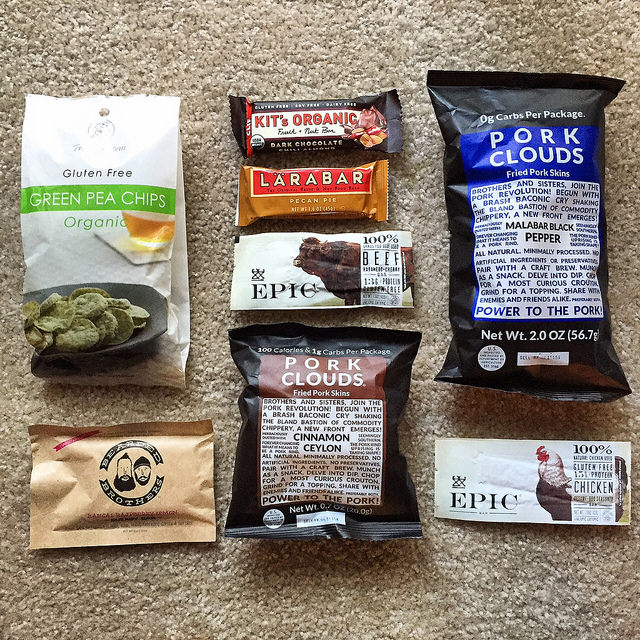
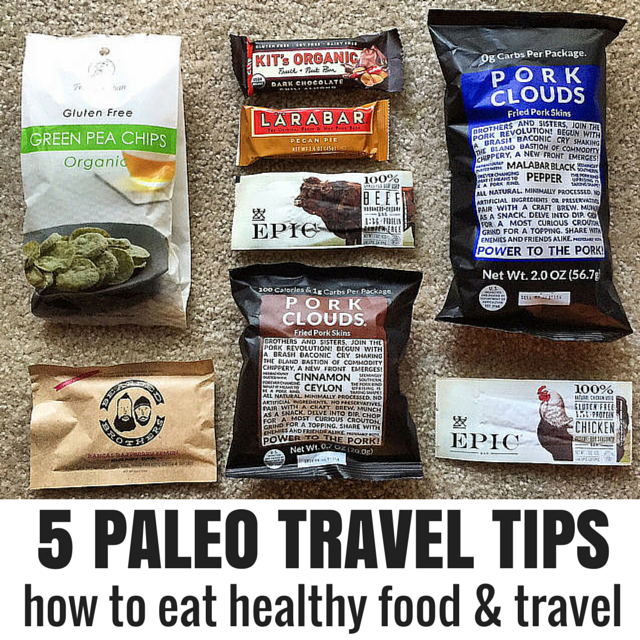
I tend to have a paleo-friendly snack handy at all times, and with 30+ hours of travel time door-to-door, I knew I’d need an ample supply for the flight. What did I bring? Just *ahem* a handful of my favorites.

Paleo snacks for travel, great for long international flights. I ate most of these on our 30+ hour trip (4 flights, 3 layovers) to Australia!

Thin and crunchy: Organic Green Pea Chips
Chocolate fix with no added sugar: Clif Kit’s Organic bars (I love the Chocolate Walnut and Dark Chocolate Chili)
Full of flavor, 3 ingredients: Larabar, Pecan Pie
Organic, real food bar: Bearded Bros: Radical Raspberry Lemon
Protein + meat fix: Epic’s bars are so satisfying
When you need a little crunch…and pork: Pork Clouds (my new favorite treat!)

I wasn’t allowed to bring meat products into Australia, so I was sure to eat those items on the flight. If you’re traveling internationally, be sure to read the laws and regulations before you pack and fly.

I knew my snack stash would run out quickly, so from day one I kept my eyes open for paleo-friendly snacks in the health food and other specialty shops. Many of the products I’m used to at home weren’t available, but Australia offered MANY of its own substitutions. I read labels carefully, tried new things, found what I liked, and bought a few snacks to pack for the return flight.

2. Pack your own meals.

I’ve seen a handful of people ditch the airline’s meal altogether in favor of a DIY option before, but I’d never tried it myself. This trip was the perfect opportunity! I knew requesting the usual gluten free meal wouldn’t address all of my needs, so we prepared two meals (lunch and dinner).

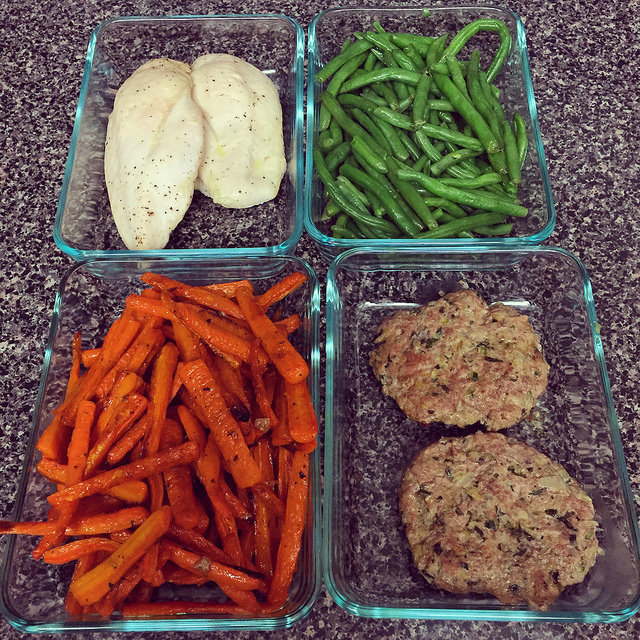
For previous domestic trips, we’ve prepared a chicken breast or burger patty, as well as a slightly starchy vegetable and non-starchy veggies.

Pack your own meal for travel

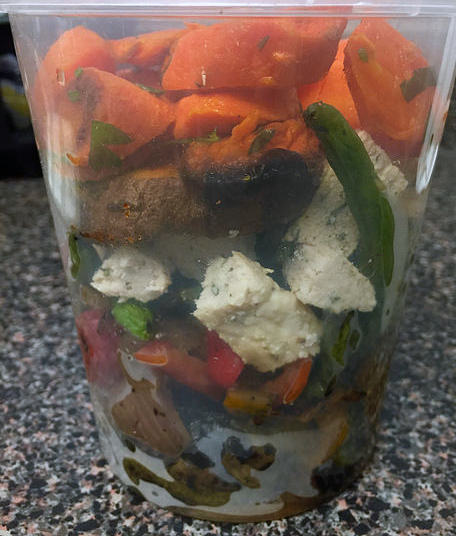
Pack your own paleo-friendly meal for the flight that's airplane carry-on friendly too! Super simple and delicious (and you get to eat when you want....)!
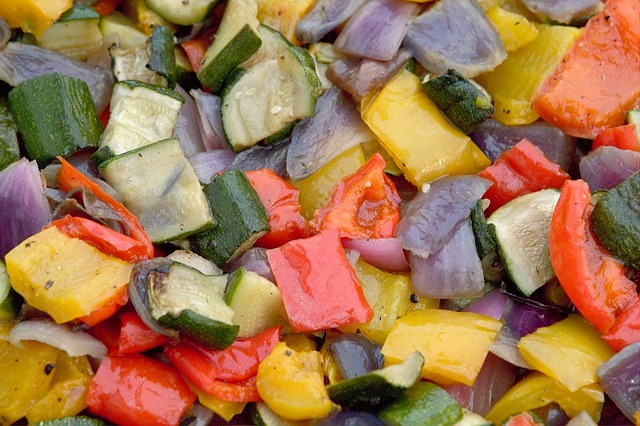
Mixed roasted veggies are paleo and travel friendly.

For our flight to Australia, I packed two plastic (BPA free) containers with grilled veggies, a chicken burger, and roasted carrots. I kept the lunch-designated container in the fridge and the dinner container in the freezer until it was time to head to the first airport. I had lunch fairly quickly due to our schedule, and dinner was thawed by the time I was hungry hours later.

Pack your own paleo-friendly meal for the flight that's airplane carry-on friendly too! Super simple and delicious (and you get to eat when you want....)!

I also packed meals for the return flight home. The day before we left, we visited a couple of shops with healthy, pre-cooked meats and sides, and I enjoyed them during our 14-15 hour flight back to California.

3. Research diet-safe restaurants and read menus carefully.

The first thing I do after deciding to take a trip is to identify places to eat!

I started with one of my favorite foodie websbites Urbanspoon, which I quickly learned is now Zomato. You can search for restaurants around the world based on the type of cuisine and get reviews, photos, menus, and more. Although I found some results in the “Paleo friendly” category, I found that searching for gluten free, vegan, wholefoods, or organic cafes opened up more options – these types of restaurants sometimes had a “Heather-safe” item or two on the menu.

If you need to take extra precautions like I do, be sure to read the menus carefully and contact the restaurants with any questions.

And if you’re like me, you probably look at the restaurant’s Facebook or Instagram accounts to find photos of the dishes that interest you. I followed a few cafes on Instagram for MONTHS before the trip and knew exactly what I wanted to eat ahead of time!

My most popular image on Instagram from the trip
Paleo breakfast skillet (#paleo #paleobreakfast)

4. Plan meals ahead of time.

Based on the restaurant research, we planned to eat out for lunch each day and stay in for breakfast and dinner at our Airbnb apartment.

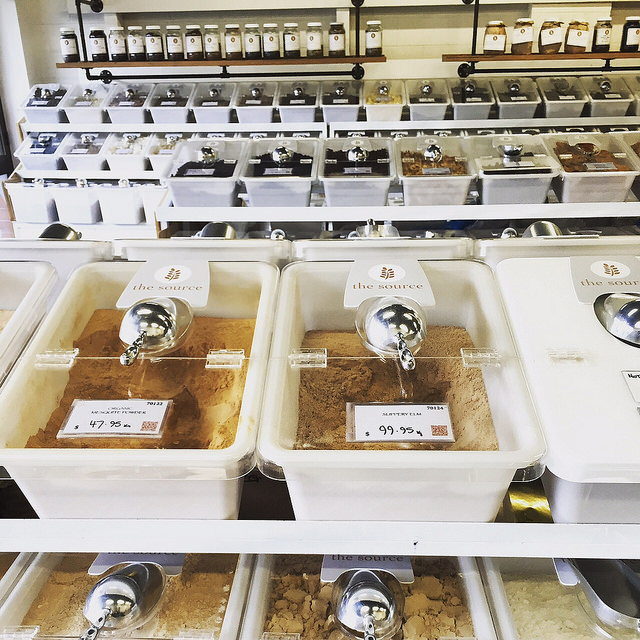
For breakfast, I kept it simple and choose to have a smoothie every morning. I found a couple of healthy bulk food shops in Melbourne, so on day one of the trip, I measured out just enough protein powder to last the three weeks.

Paleo meal planning & travel: prepare safe, inexpensive meals when you're not eating out
I bought just enough pea protein powder for morning smoothies.

For dinner, we made burgers or chicken sausages and paired them with mixed veggies and squash/pumpkin soup. The bag of frozen veggies included only low-FODMAP veg and used olive oil instead of a heavily processed oil. The soup came in a bag in the refrigerated section, and the brand I bought was the only one of four or five that was completely safe for me. While we tend to cook from scratch at home, we took a ready-made meal approach to our trip and loved it. Sure, our meals were a bit repetitive, but lunch was our big treat every day.

5. Make access to a kitchen a top priority when booking accommodations.

paleo diet while traveling; look for accommodations with kitchen access and prepare your own meals

Making our own breakfast and dinner wouldn’t have been as easy, or in some cases possible, if not for having full access to a full-stocked kitchen.

After enjoying Airbnb throughout our honeymoon in Hawaii, we knew we’d look to the site again for accommodation.

We selected our top picks in both cities, and because we would be sharing the apartment with our prospective hosts, I sent them a message mentioning the dietary restrictions and asking if our food preparation would interfere with their usual routine. Both welcomed us to use their kitchens at any time and set my mind at ease.

Our minds were also set at ease that we had ample space to sleep, cook, and relax for MUCH less than the cost of a hotel room. If you’re new to Airbnb, save $25 on your first reservation (of at least $75) with my Airbnb referral link. You’ll save on your next trip and so will we!

Paleo friendly travel

I hope my experiences help you prepare for your next trip, whether you identify with Paleo, gluten free, or clean eating, or just want to pack your own meals.

What are your favorite tips for keeping your diet safe and healthy on the road? Share them in the comments!

Filed Under: healthyliving Tagged With: food

Eating paleo while traveling – our experience in Australia

July 22, 2015 by Heather 4 Comments

Eating a paleo diet while traveling – our experience in Australia (love your guts)

For the last year I’ve followed a Paleo and low-FODMAP diet to address numerous food allergies and begin healing my digestive tract. While the restrictions are difficult at times, I still have plenty of ingredients I can combine at home to make healthy, delicious meals.

As much as I’ve come to love cooking, I adore going out for a good meal with my husband, friends, or family. That’s been pretty tricky to do with my long list of foods to avoid, but once we decided to go to Australia, I was determined to find a few safe places to eat during our recent 3-week trip.

A few years ago, I lived in Australia for a year, and I enjoyed the food and cafe culture immensely. I knew this trip would be different (no more gluten or dairy!), but I hoped with Australia’s focus on good, fresh food, I’d be able to follow a paleo diet while traveling with relative ease.

Traveling on a paleo diet in Australia

After not going out to eat for the last year, I was THRILLED that Australia seems to be on board with a Paleo approach to eating. Both Melbourne and Sydney have a few cafes or restaurants with a dedicated Paleo menu. Other cafes that focus on real food (with a whole foods, organic, gluten free, or vegan focus) often offered a Paleo-friendly option or two.

Before we left, I decided to experiment with adding egg and coconut back into my diet. Both ingredients are staples in the Paleo diet, but I had to eliminate both last fall. I knew eating out in Australia would be much easier (and more enjoyable!) if one or both ingredients could be back on the menu.

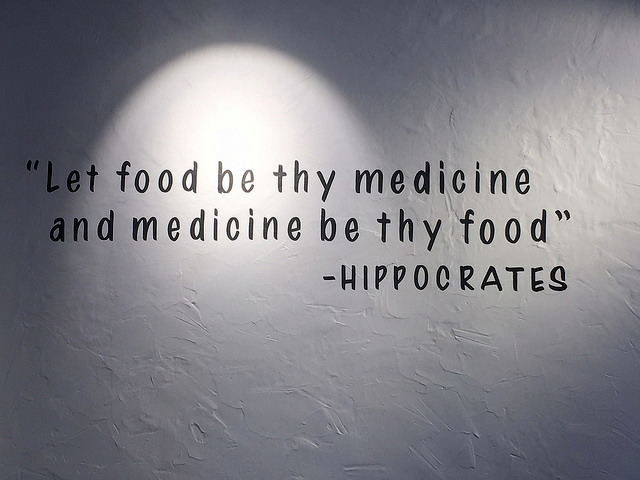
“Let food by thy medicine” – loved that a brand new cafe in Sydney displayed this quote!
Let food by thy medicine quote (Hippocrates)

I spent HOURS (literally – I couldn’t even tell you how many) researching for safe places to eat weeks and weeks before the trip. I poured over menus and began following restaurants on Instagram so I could see what their menus looks like. Because, hello, we eat with our eyes first.

With a bit of research and planning, it’s very possible to follow a Paleo diet while traveling. In this post, I’m sharing the yummy dishes I tried in Melbourne and Sydney. In the next post, I’ll share what I did to make adhering to a Paleo diet easier throughout the entire trip!

Eating paleo while traveling in Melbourne, Australia

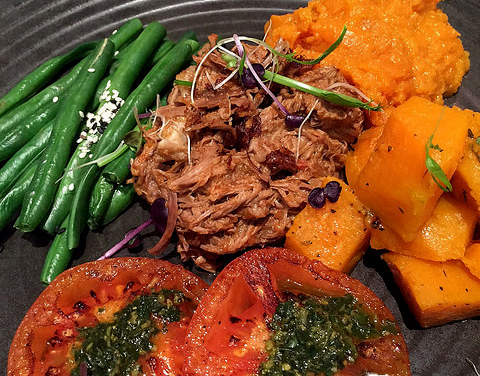
“Create your own meal” at Palate.
The “create your own meal” menu option allows you to choose one meat and four sides. From a great list of options, I chose slow roasted lamb ragout, grilled tomato with basil, green beans with sesame seeds, citrus infused sweet potato & macadamia mash, and roasted pumpkin with paprika. As delicious and healthy as the meal was (and the lamb was out of this world), clearly, my Instagram skills needed some work.

adhering to a paleo diet while traveling

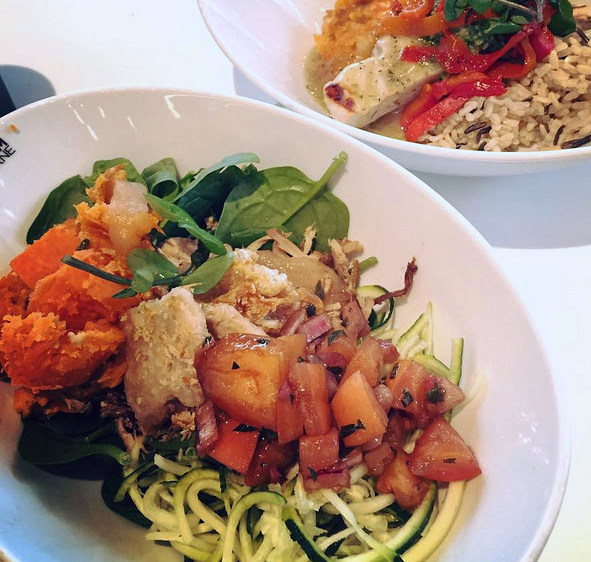
Choose from a variety of meats and veggies to make your own bowl of goodness at Thr1ve.
We enjoyed Thr1ve so much that we went four or five times during the 3-week trip! My first custom bowl? Raw zucchini noodles, spinach, slow roasted pork with crackling, tomatoes, and sweet potato. Why I loved this place so much? The choose-your-own-ingredients route means your meals is different each time, it’s healthy food delivered to you quickly (perfect while you’re traveling), and the concept is pretty easy to recreate at home (just need to take the time to slow roast pork!).

Paleo diet while traveling in Australia (create a custom meal at Thr1ve)

Eating paleo while traveling in Sydney, Australia

Clearly my Instagram skills were improving by the time we arrived in Sydney.

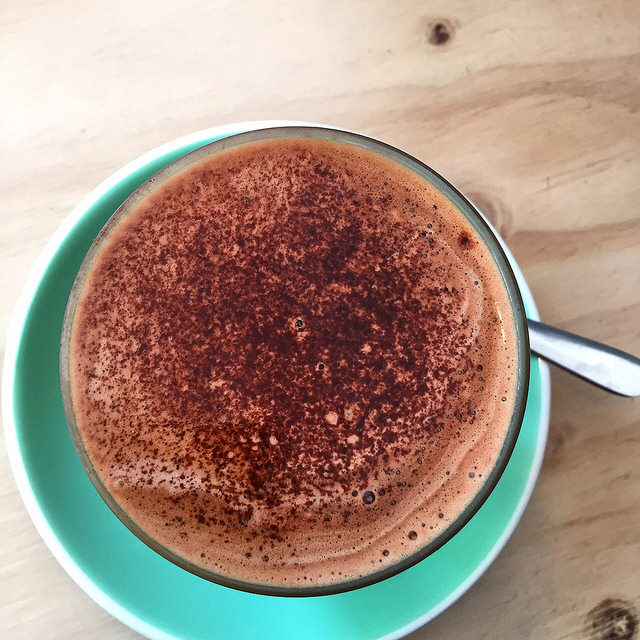
How pretty is this almond milk mocha at Henley’s Wholefoods at their Alexandria location?!

Dairy free, almond milk mocha (#coffee #dairyfree #vegan #paleo #paleobreakfast)

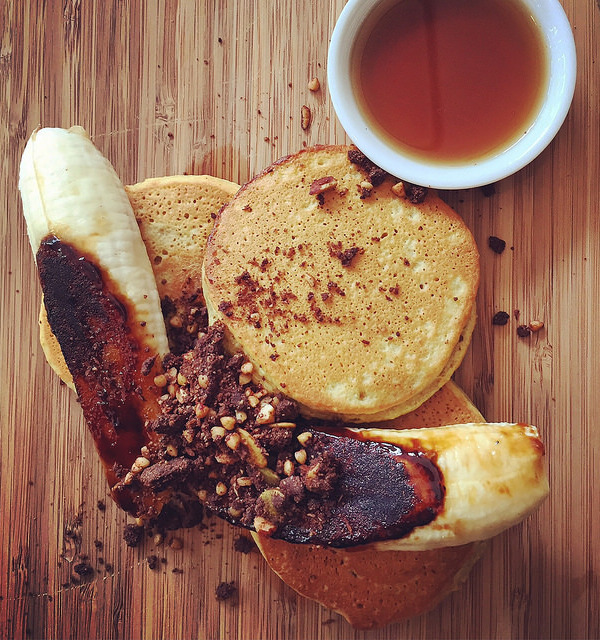
And their Maca Packed Hotackes (almond meal maca hotcakes, caramelized banana, chocolate nut crumble and coconut yogurt) weren’t bad either. I was so busy devouring the first pancakes I’d had in months that I didn’t even realize I had dunked my hair into the maple syrup until I saw drops of syrup all over my jeans. Oops.

Paleo pancakes with almond flour (#paleo #paleopancakes #paleobreakfast  #grainfree)

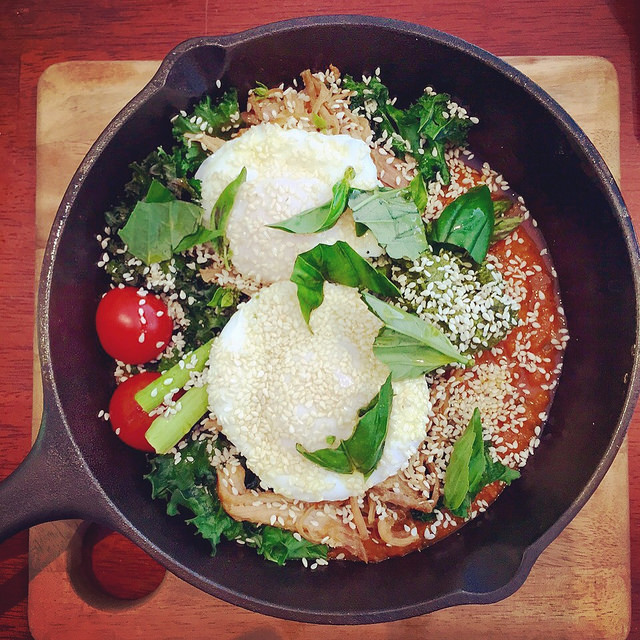
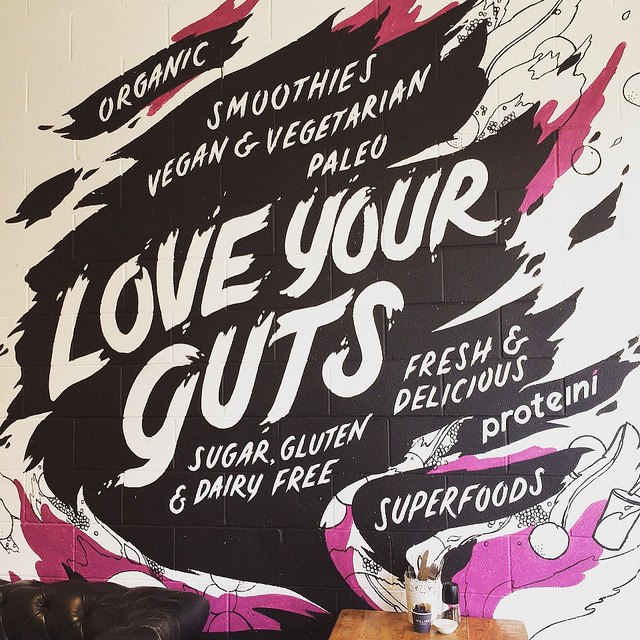
My favorite cafe of the trip? Proteini Cafe. Not only do they want you to LOVE YOUR GUTS (see the photo at the top of this post!), but they served up my favorite overall dish. The “Paleo Stack” features sweet potato and kale hash, pulled pork, poached eggs, grilled tomatoes, grilled asparagus, and olive oil pesto. I love asparagus but I’m not sure if it loves me, so I gave it to Gavin. I also limited the amount of kale I ate to a few bites, as it seems too much bothers me as well.

Paleo breakfast skillet (#paleo #paleobreakfast)

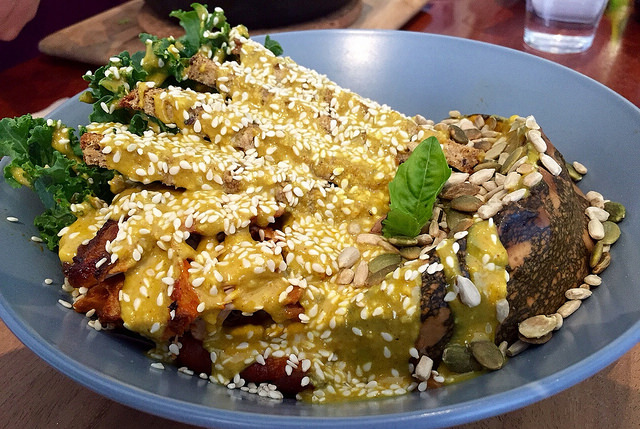
Gavin’s Cavemans Bowl was also incredibly delicious, especially that turmeric sauce! The bowl includes roasted pumpkin, chicken, spinach, house relish, turmeric sauce, and protein bread.

Paleo breakfast bowl (paleo toast, winter squash, chicken, turmeric sauce)

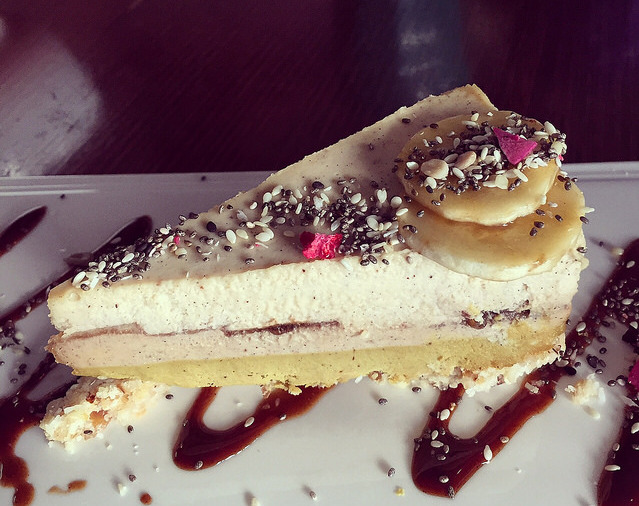
For dessert (paleo AND vegan friendly), Sadhana Kitchen more than had us covered. With so many options, it was hard to choose just one treat, but my husband and I shared the Banoffee Pie. I thought about getting a treat (or two) to take with us, but I know I would have eaten them within minutes!

banoffee pie (#paleo #vegan)

More Paleo adventures

Believe it or not, I didn’t take a photo at every place we ate. Or I’d be halfway through a meal before I thought to bring out the phone. And sometimes, you just aren’t happy with your image.

BUT, in case you’re reading this and headed to Australia soon, you might also want to visit Paleo Cafe (their salted caramel hot chocolate was a mug-o-heaven), Patch (my french toast tasted like FRENCH TOAST), Pana Chocolate (you will love their Instagram account), Mr Crackles (skip the bread roll), Tall Timber (Chef Ryan has a must-follow Instagram account), and About Life (dine in or visit the food bar).

If you’re on Instagram, you can follow the HealthyLifeHeather account for healthy food adventures, and if you’re curious about how I adhered to Paleo when I wasn’t dining out, the next post will have you covered!

Eat well, m’dears!

Filed Under: healthyliving

Red, white, and blue 4th of July chia pudding parfait

June 24, 2015 by Heather 2 Comments

Disclosure: This page contains affiliate links.

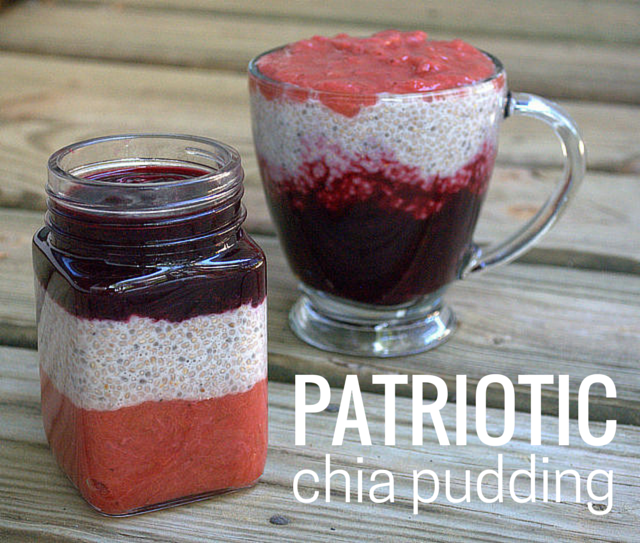
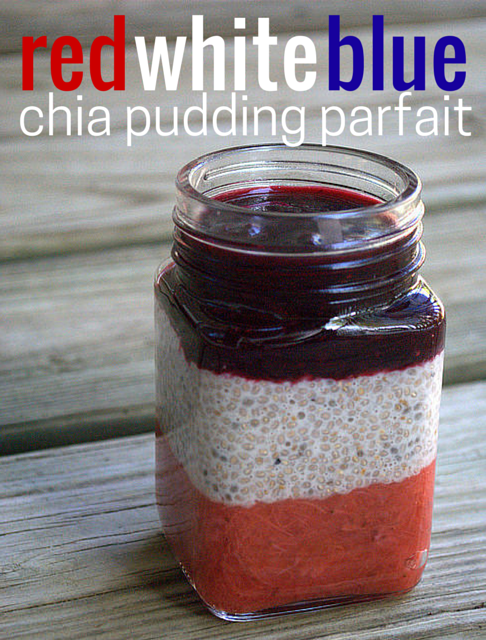
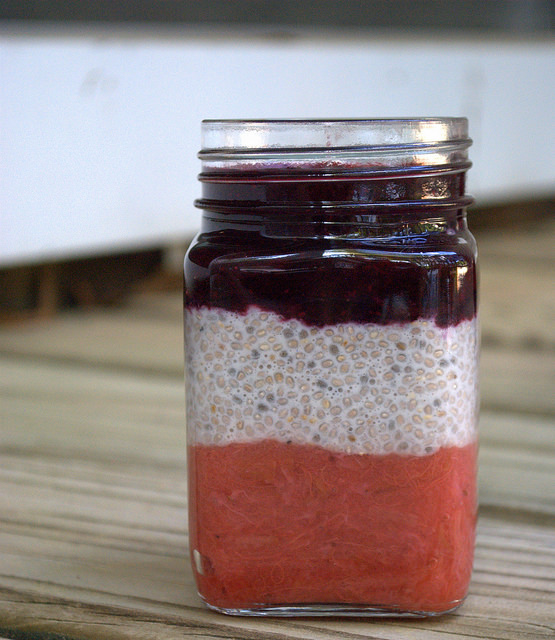
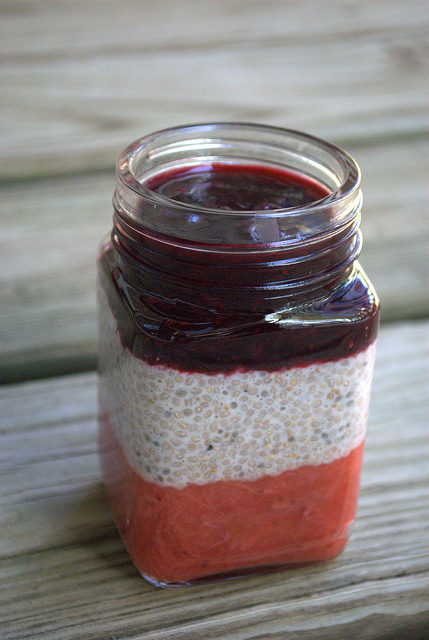
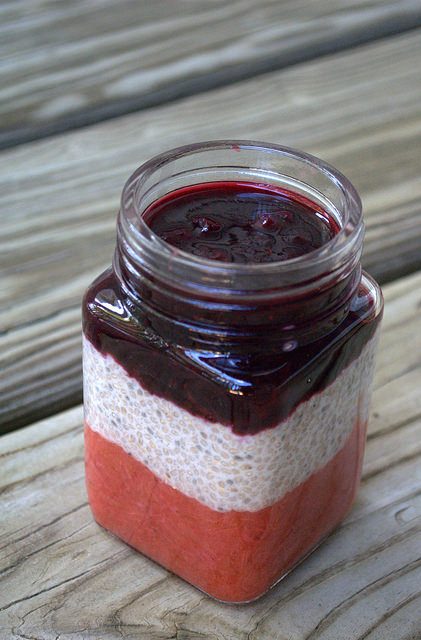
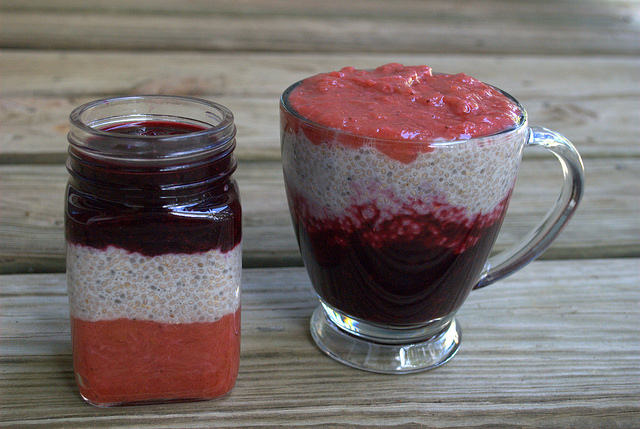
Patriotic red, white, and blue chia pudding parfait -- perfect healthy and festive treat for the 4th of July! (paleo, dairy free, grain free, gluten free) #july4

Red, white, and blue desserts are a staple at 4th of July celebrations.

Growing up, we often made the popular “American flag” cake, decorating a 9×13 cake with blueberries, strawberries, and whipped cream to look like the flag. A time or two, I made a poke cake with red and blue jello. And it was gooood.

But now that I’m paleo-ish for health reasons (and responding poorly to paleo staples like eggs and coconut), I need to find a new patriotic dessert for the 4th of July. Enter chia pudding.

I don’t think I’d tried a chia pudding recipe until last summer, but once I did, I was hooked.

First, chia seeds are all kinds of awesome. They’re often touted for being a nutrition superstar – a good source of fiber, protein, fat, antioxidants and several vitamins and minerals. And while chia seeds are thought of as a superfood with loads of health benefits, I mostly eat them because they seem to work well for my body (happy digestion) and mind (knowing there is a safe treat helps when you’re craving a sweet).

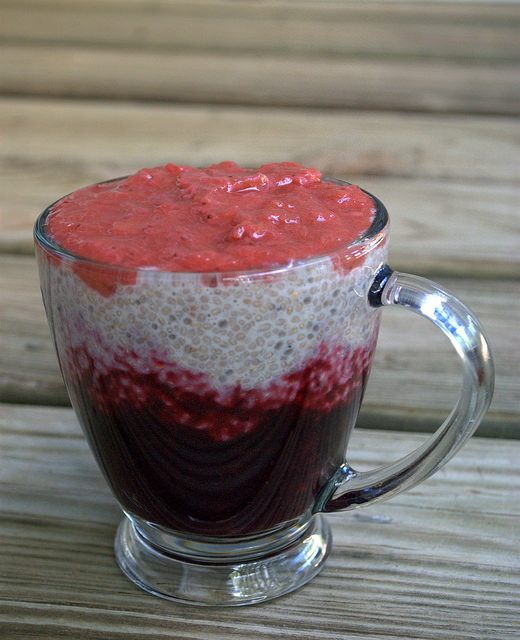
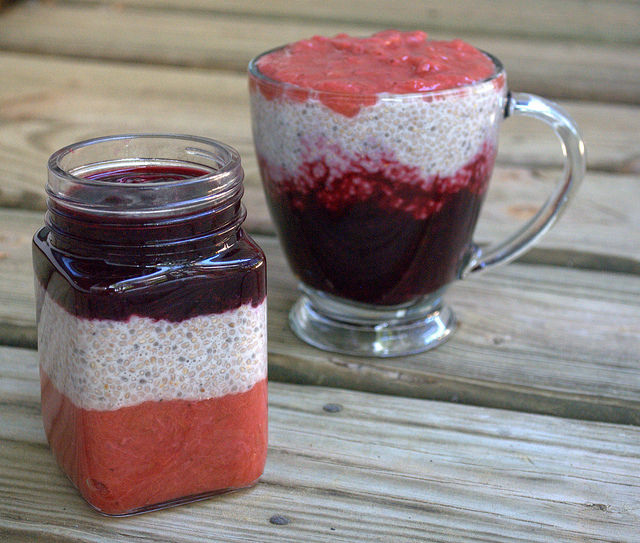
If you buy white chia seeds, chia pudding is (mostly) white. But a 4th of July chia pudding parfait isn’t a parfait without a red and blue layer! I love the late spring/early summer combo of strawberry and rhubarb, so choosing my red was easy. For the blue, I choose some beautiful plump blueberries.

If you’re looking for a healthy, festive dessert for Independence Day this year, add this red, white, and blue chia pudding parfait recipe to your menu!

Patriotic red, white, and blue chia pudding parfait -- perfect healthy and festive treat for the 4th of July! (paleo, dairy free, grain free, gluten free) #july4

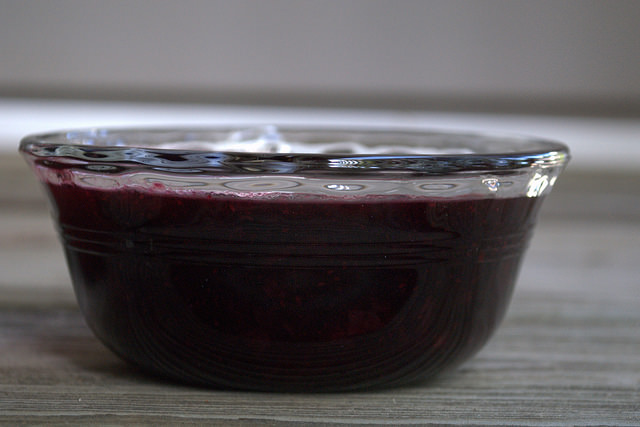
I got things going with the blue layer. Add some blueberries, water, and healthy sweetener to a pot. Cook until the berries burst, gently mash, and remove from heat to cool.

Patriotic red, white, and blue chia pudding parfait -- perfect healthy and festive treat for the 4th of July! (paleo, dairy free, grain free, gluten free) #july4

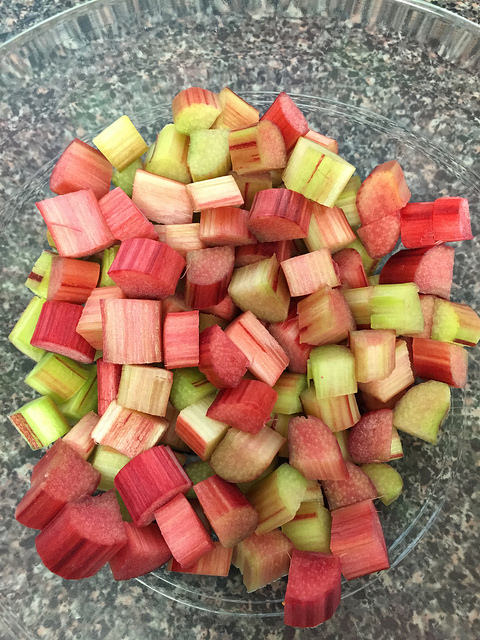
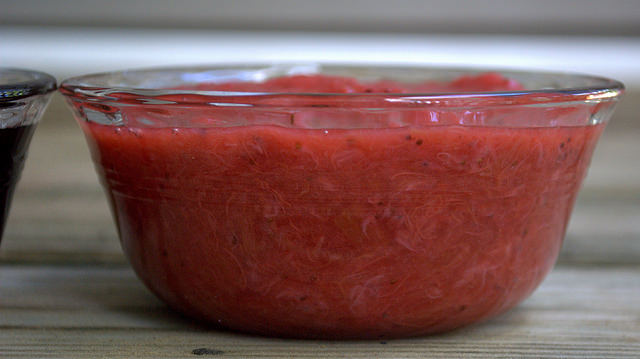
While the blueberries cooled, I prepped the red layer by coring and quartering strawberries and peeling and chopping rhubarb.

I love rhubarb!
peeled and diced rhubarb

Add water and healthy sweetener (I like maple sugar) and fruit to a pan and heat until fruit is (gently) mashable.

Once the fruit layers are cooked and cooled and the chia pudding is made, you can store each layer separately in the fridge until you’re ready to layer and serve — the perfect dessert to make ahead of time! It’s so quick and easy to assemble.

Patriotic red, white, and blue chia pudding parfait -- perfect healthy and festive treat for the 4th of July! (paleo, dairy free, grain free, gluten free) #july4

Patriotic red, white, and blue chia pudding parfait -- perfect healthy and festive treat for the 4th of July! (paleo, dairy free, grain free, gluten free) #july4

Patriotic red, white, and blue chia pudding parfait -- perfect healthy and festive treat for the 4th of July! (paleo, dairy free, grain free, gluten free) #july4

You can use any dish to serve it in, but I like reusing cute clear containers, like this one that originally contained pink salt.

Patriotic red, white, and blue chia pudding parfait -- perfect healthy and festive treat for the 4th of July! (paleo, dairy free, grain free, gluten free) #july4

I recommend waiting to layer the parfait until you’re ready to serve — unless you’d like a cool swirl effect!

Patriotic red, white, and blue chia pudding parfait -- perfect healthy and festive treat for the 4th of July! (paleo, dairy free, grain free, gluten free) #july4


Red, white, and blue 4th of July chia pudding parfait
 
Save Print
Red, white, and blue 4th of July chia pudding parfait
Author: Heather
Serves: 3-4
Ingredients
  • For the chia pudding:
  • ½ cup chia seeds (I used white seeds)
  • 1.5 cups of non-dairy milk (I used unsweetened vanilla almond milk)
  • Optional – dash of vanilla extract and/or liquid stevia, to taste
  • For the blueberry layer:
  • 2 cups blueberries
  • 1.5 tablespoons of water
  • 2 tablespoons of sweetener (I used raw, local honey)
  • squeeze of lemon juice (I used freshly squeezed)
  • For the strawberry blueberry layer:
  • ¾ cup peeled and diced rhubarb
  • 1¼ cup of cored and quartered strawberries
  • 1.5 tablespoons of water
  • 2 tablespoons of granulated sweetener (I like maple sugar here)
  • squeeze of lemon or orange juice (I used freshly squeezed)
Instructions
  1. Mix chia seeds and non-dairy milk in bowl and refrigerate for at least an hour to allow the chia seeds to absorb some milk and the mixture to thicken. Stir occasionally. You can make this the night or day before and keep in the refrigerator (recommended).
  2. Place blueberries, water, and sweetener in a sauce pan and stir to combine. Cover with lid and heat over medium-low to medium, depending on your pan and stove top. Once blueberries begin to simmer and pop/burst, remove lid, reduce heat, and stir. Allow blueberries to simmer until all blueberries have burst and you can gently mash blueberries. Remove from heat, transfer to glass bowl, add a squeeze of lemon juice if you like, and allow to cool. Once cool, you can store in the refrigerator until you're ready to layer and serve the parfait.
  3. Next, place the peeled and diced rhubarb and the cored and quartered strawberries in a bowl. Sprinkle with granulated sweetener (I used maple sugar but coconut sugar would work well too) and allow to sit for 30 minutes. The sugar will macerate the fruit (i.e., soften, release juices, make them even more awesome).
  4. Add macerated fruit and water to a sauce pan, stir to combine, cover pan, and heat over medium-low to medium heat. Like the blueberries, once the heat begins to break down the berries, remove lid and reduce heat slightly. Stir. Allow to cook until you can mash the rhubarb gently with your spoon, about 10-15 minutes depending on your pan and heat. When done, remove from heat, transfer to glass bowl, add a squeeze of juice, and allow to cool. Once cool, refrigerate if necessary.
  5. When you're ready to layer your parfait, gather all three layers. Spoon either blueberry or strawberry rhubarb layer into clear serving dish of choice to desired amount. Next, divide the chia pudding into 3-4 servings and gently layer on top of fruit compote. Finally, gently spoon remaining fruit layer on top. You may have leftovers of fruit compote depending on the size of your serving dishes.
  6. Serve immediately or refrigerate until ready to serve. Depending on the thickness of each layer and your serving dish, the layers may sneak into one another.
  7. Enjoy and celebrate Independence Day!
3.3.3070


What’s on your holiday menu this 4th of July? If you make this red, white, and blue chia pudding parfait, let me know in the comments! Happy eating and happy Independence Day!

Patriotic red, white, and blue chia pudding parfait -- perfect healthy and festive treat for the 4th of July! (paleo, dairy free, grain free, gluten free) #july4

Patriotic red, white, and blue chia pudding parfait -- perfect healthy and festive treat for the 4th of July! (paleo, dairy free, grain free, gluten free) #july4

Filed Under: healthyliving Tagged With: recipe

Quick paleo breakfast recipe: Paleo breakfast bowl

June 16, 2015 by Heather Leave a Comment

Disclosure: This page contains affiliate links.
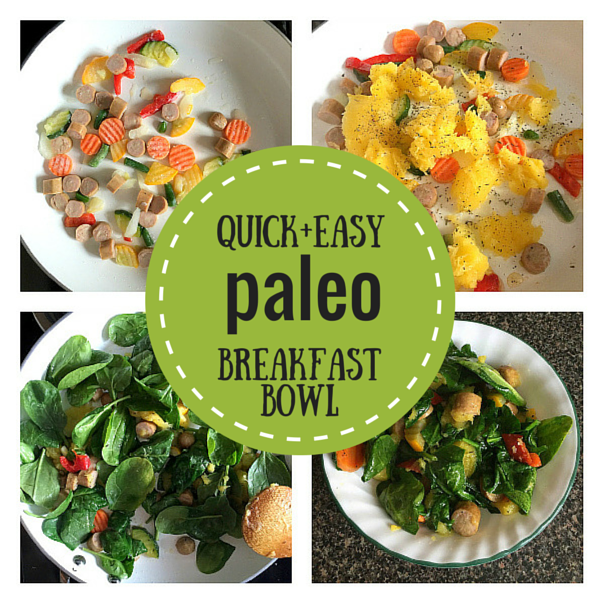
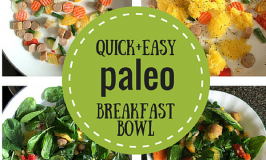
Quick Paleo Breakfast Recipe -- my favorite morning breakfast bowl filled with organic veggies, sausage, winter squash, greens, & healthy fat. Easy to make and easy to modify with different veggies, meats, herbs, and spices! #paleo #breakfast #eggfree #noeggs

I don’t know about you, but when I think “breakfast”, I think “bread”.

For most of my life, breakfast involved cereal, oats, sliced bread, muffins, waffles, pancakes, bagels, and granola bars. When I learned about my sensitivity to gluten, I found or made gluten free substitutes for typical bread-based breakfast items. Because breakfast = familiar, comforting carbs.

But what happens when grains are off the table altogether?

When I gave up grains last summer, I created a morning rotation of smoothies, chia pudding, eggs (scrambled, fried, casseroles), and coconut flour muffins. I enjoyed the variety but missed having eggs on toast, gluten free cereal, and goodies made from oats (or oat flour).

And then one day, things got even trickier.

I met with my new integrative medicine doctor to review the results of my allergy test. Allergic to egg yolks. Allergic to egg whites. Allergic to coconut. Shocked.

Eggs and coconut (oil, flour, milk) had been a daily staple during the GAPS diet and my transition to everyday paleo. I had no idea they may have been contributing to my digestive woes, but shortly after removing them (and other offending foods), I started to have some good days.

At first I was at a loss of what to eat for breakfast. After all, before GAPS and paleo, I’d enjoyed eating meals that were gluten free, dairy free, and 90% vegetarian. Since GAPS and paleo meant including significantly more meat into my life, breakfast had been the one meal of the day that I kept meat-free.

Giving up eggs and coconut was the most challenging dietary change I’ve made in the last year, but a few week after receiving the allergy test results, I settled into a breakfast rhythm. For the last 9 months, I’ve prepared what I call my “paleo breakfast bowl” 4 mornings per week. It’s easy to make! And perhaps more importantly, it’s easy to modify. When your food choices are limited, you have to find a way to liven things up.

Quick paleo breakfast recipe: my fave breakfast bowl

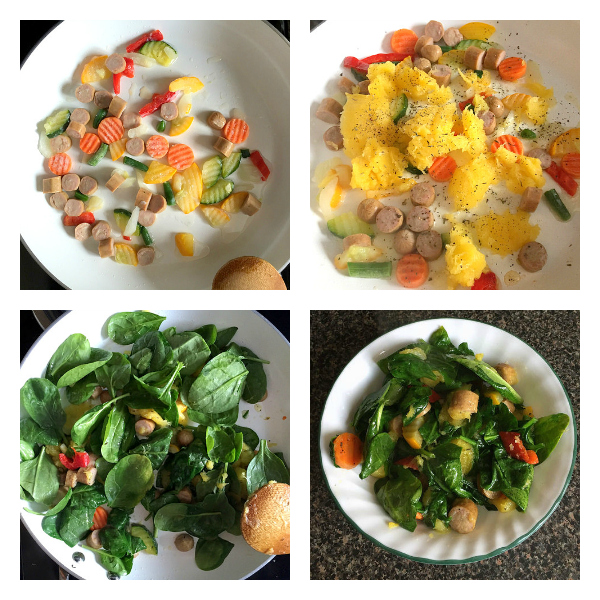
Quick paleo breakfast recipe filled with organic veggies, sausage, winter squash, and greens.

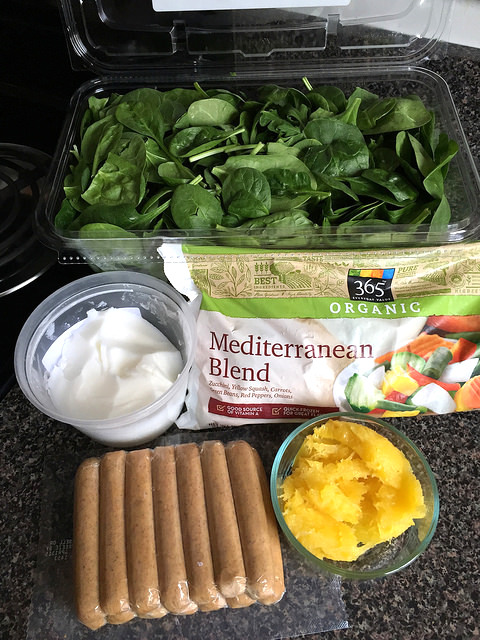
My favorite go-to breakfast bowl uses 5 key ingredients with bonus herbs and spices. It’s quick and easy. Let’s get started.

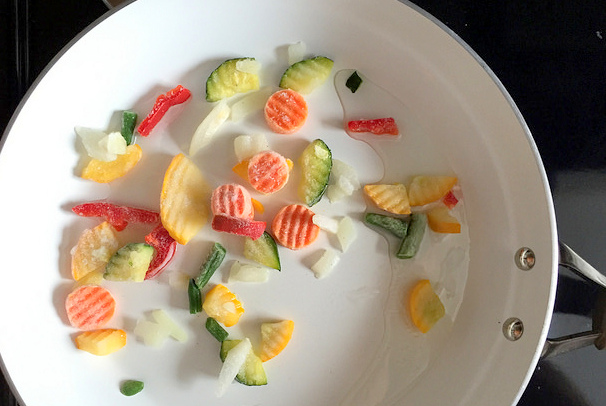
First, I warm 1-2 tablespoons of tallow or leaf lard (bonus: both are from pastured, local sources) in a pan over medium heat until melted.

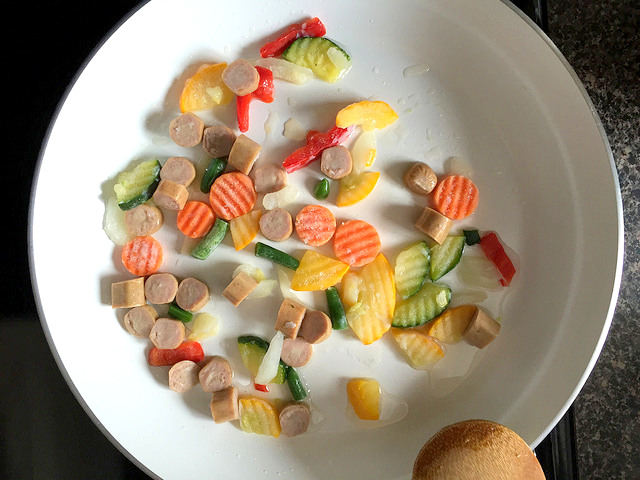
Next, I add 1/3 of a bag of Whole Foods Mediterranean Blend organic frozen vegetables to the pan. This is the only blend I’ve found where all of the veggies are safe for me and I LOVE it. Although I eat a low FODMAP diet, I seem to tolerate onions quite well. Peas and green beans are considered legumes, but I also do well with small amounts of both, and if Paleo Magazine says peas and green beans are paleo-friendly, I’m not going to argue. Above all, I feel great with this blend of veggies, so it stays!

Quick paleo breakfast recipe filled with organic veggies, sausage, winter squash, and greens.

Once the veggies have been in for a couple of minutes, I add in 3-4 ounces of meat. I choose pre-cooked sausages with little to no sugar (cut into bite-sized pieces below) or use ground meat with no sugar or seasonings. If using raw ground meat, I make sure it’s cooked through before adding additional ingredients.

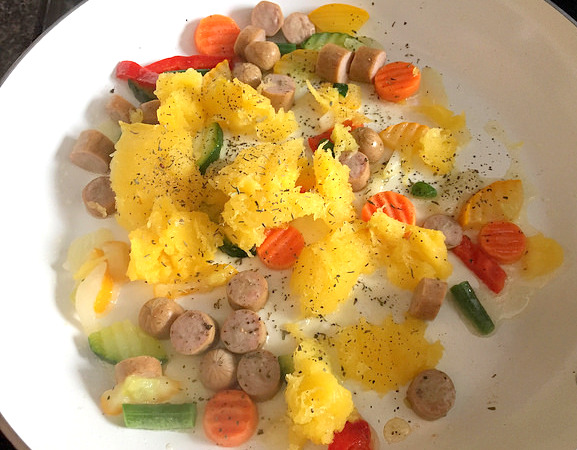
Quick paleo breakfast recipe filled with organic veggies, sausage, winter squash, and greens.

Once the veggies and sausage are warmed through, I add 1/4 to 1/2 cup of roasted winter squash. I’ve found that roasted squash keeps well in the fridge for several days, so I roast a butternut or acorn squash one night and then use it for four mornings in a row in my breakfast bowl. Add salt (I use and love Himalayan pink salt)
and pepper to taste here, along with any other herbs and spices you enjoy. My go-to add-ins are dried basil and thyme, but I also like sage, paprika, or garlic powder.

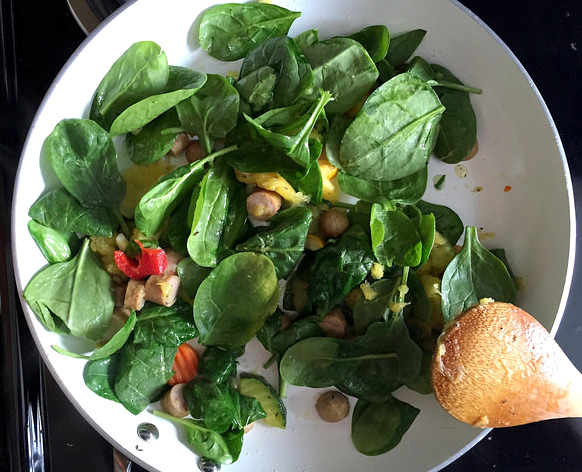
Quick paleo breakfast recipe filled with organic veggies, sausage, winter squash, and greens.

I give the squash a minute or two to warm up before adding in a large handful or two of organic spinach. I’ll stir everything together until the spinach is wilted to my liking — about one minute.

Quick paleo breakfast recipe filled with organic veggies, sausage, winter squash, and greens.

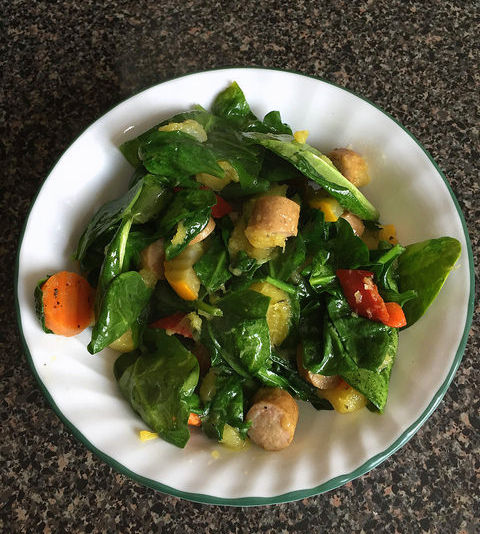
Scoop everything into a bowl and you have a breakfast with healthy fat, protein, veggies, carbs, and flavor. Not a bad way to start the day.

Quick paleo breakfast recipe filled with organic veggies, sausage, winter squash, and greens.

I usually add 1/4 teaspoon of turmeric powder to my breakfast bowl, as it’s anti-inflammatory, aids digestion, and benefits the body in so many ways. I also attempt to hide the 1/4 teaspoon of kelp powder I take daily (doctor’s orders) in my breakfast bowl.

Quick paleo breakfast recipe: Paleo breakfast bowl
 
Save Print
Prep time
5 mins
Cook time
10 mins
Total time
15 mins
 
Quick and easy paleo breakfast bowl
Author: Heather
Serves: 1
Ingredients
  • 1-2 tablespoons cooking fat of choice
  • ½ cup of frozen veggies
  • 3-4 ounces of meat of choice (look at ingredients to avoid added sugar)
  • ¼ to ½ cup cooked winter squash
  • Salt and pepper, to taste
  • Herbs and spices of choice, to taste
Instructions
  1. Heat 1-2 tablespoons of cooking fat of choice over medium-low to medium heat, depending on your stovetop and pan.
  2. Add frozen veggies to pan and stir occasionally, cooking until veggies are soft and slightly warmed through. This may take 5-7 minutes.
  3. Add in meat of choice (I like slicing sausages into bite-sized pieces). If using pre-cooked sausage, heat until warmed through. If using raw meat, stir occasionally and cook until no longer pink.
  4. Add in pre-cooked winter squash of choice or cooked sweet potato if you tolerate it.
  5. Add salt, pepper, herbs, and spices of choice. I usually use a pink of salt and papper and ⅛-1/4 teaspoon of herbs or spices.
  6. Once meat is warmed through (or cooked for raw) and veggies and squash are warm, add in a large handful of spinach. Stir until wilted to your liking.
  7. Spoon meat and veggies into bowl. Grab your fork. Enjoy your paleo breakfast bowl.
3.3.3070

Ready to make your own breakfast bowl? Share your favorite ingredients and modifications in the comments.

Quick paleo breakfast recipe filled with organic veggies, sausage, winter squash, and greens.

Filed Under: healthyliving Tagged With: recipe

  • 1
  • 2
  • 3
  • Next Page »

About Me

Welcome! I'm Heather, and I'm on a mission to restore my health through food, functional medicine, and faith. On Healthy Life Heather, I'll share the information and resources I'm using in my road to wellness in hopes that they can help you too. Oh, and if you love baking, we'll get along just fine.

Sign up and never miss a recipe or new post!

* indicates required

Search

Vitacost Healther Life Heather Discount

Copyright © 2026 Heather R Palmer LLC · All Rights Reserved · About Me · Disclaimer

Copyright © 2026 · Lifestyle Pro Theme on Genesis Framework · WordPress · Log in