Healthy Life Heather

  • Home
  • Heather
    • About Me
    • Contact
    • Disclaimer
  • Healthy Living
  • Wellness Journey
  • Resources
  • Facebook
  • Twitter
  • Instagram
  • Pinterest

What is the GAPS diet and how can it help

March 3, 2015 by Heather 2 Comments

Disclosure: This page contains affiliate links.

The GAPS diet -- what it is and how it can help

Last May I told family and friends I was embarking on a new adventure.

I wasn’t traveling to a new destination (I wish!).

I wasn’t following up my first half marathon with a marathon (HA!).

Instead, I was planning on starting the GAPS diet. I hoped that this holistic approach to health would help heal some long standing health concerns. After preparing for the diet for several months, I officially kicked things off on Friday, May 23. While on the GAPS diet, I took daily notes on meals, digestive responses, and overall feelings of well-being — these notes are now the foundation of a multi-post series about my GAPS experiences.

What is the GAPS diet?

GAPS stands for Gut and Psychology Syndrome, and the GAPS healing protocol was developed by Dr. Natasha Campbell-McBride, MD. Dr. Campbell-McBride created this nutritional and healing program to help her autistic son, and she’s found that the GAPS diet has helped patients who have mental health diagnoses, autoimmune conditions, or multiple food sensitivities.

The goal of GAPS is to heal the digestive system, which I’ve heard countless times in recent years is the home of our immune system, as approximately 70% of the cells that make up our immune system reside in the gut! Happier gut = better health!

Complete GI tract - sized
By Mikael Häggström [Public domain], via Wikimedia Commons

How does the GAPS program help heal the gut?

1) diet
2) supplementation
3) detox and lifestyle changes

GAPS Diet

The GAPS dietary guidelines are based on the Specific Carbohydrate Diet (SCD), which removes grains, starches, and other foods which aren’t easily or properly digested in some people. Improperly digested food creates all sorts of problems, including overgrowth of bad bacteria. An SCD and GAPS approach to healing helps get rid of the bad bacteria while reintroducing the good bacteria. A happy GI tract makes a more happy and healthy immune system.

In future posts, I look forward to talking about the two phases of the GAPS diet — the 6-stage introduction phase and the regular, or what’s often called “full” GAPS phase.

full-gaps-diet-pinterest-boards

GAPS Supplementation

An overview of GAPS supplementation and their purpose is available on GAPSdiet.com, and a more in-depth explanation of the supplements and why they’re recommended can be found in Dr. Campbell-McBride’s GAPS book. Thankfully I was already taking most of the supplements before starting GAPS (a probiotic, fish oil, and digestive enzymes), so I didn’t have to adapt to a handful of new supplements while also getting adjusted to a different way of eating.

Detoxification on GAPS

GAPS also identifies several ways to detoxify the body. Due to my interest in health and wellness, I already try to use the cleanest body care products available. For the last year or so, I’ve used the Environmental Working Group’s (EWG) Skin Deep database to compare product ingredients and have made several changes in what I buy based on their results.

Detox baths are also a big part of the healing protocol, and nightly baths with epsom salts, baking soda, or apple cider vinegar are recommended. I’ve pinned several articles about detox baths on my GAPS information and prep board on Pinterest.

gaps-diet-pinterest-boards

My health journey and why I choose GAPS

As most of my friends and family know, I’ve had food sensitivities for years. Troubles with dairy began in my early 20s, and when I was 27, I learned I was also sensitive to gluten and soy. As soon as I removed these foods, I immediately felt better.

I haven’t always stuck to a 100% allergen free lifestyle, however. From time to time, I’d sneak a bite of pizza or dessert. In the last few months of my year in Australia, I enjoyed a handful of lattes and pastries. I didn’t feel too poorly at the time and wrongfully assumed the the worst consequences of my choices would be the bloating or discomfort I might feel after the fact.

For a gal who loves health and wellness, I was either in denial or simply hadn’t done enough research. Even if I felt fine after some of these gluten and dairy cheats, I was still unknowingly damaging my gut lining by contributing to gut inflammation and permeability.

You don’t want gut permeability. It allows things to pass through the barrier of your intestines and into your bloodstream. This puts our body on the defensive, and we attack these new invaders to our bloodstream. When our gut isn’t happy, our immune system is compromised, and this sets up the possibility for a whole host of health problems.

I’ve heard that food sensitivities/intolerances tend to grow worse over time, and I’ve found that to be true. For example, things I used to be able to eat like nuts, seeds, and yeast (in gluten free breads) began causing digestive distress. Though I’m now able to eat most nuts and seeds again, a recent allergy panel showed that foods I was eating frequently without concern, such as eggs, coconut, and mushrooms, now cause my body to produce antibodies toward them. Due to intestinal permeability, I was growing more and more resistant to a growing list of foods.

I became fearful that every year or two I might become intolerant to more foods, especially because there are a handful of foods that are cross-reactive with gluten, meaning they appear similar to gluten’s structure to our bodies, so we develop a negative reaction when we eat these other foods too.

Food intolerances tend to contribute to or occur alongside other health issues, such as adrenal fatigue, hormonal imbalances, the presence of heavy metals in our body, gut infections, and many more. I have taken supplements to help support my adrenals, and in early 2014 we (me + health care practitioner) detected lead and chlorine in my body! We immediately began a process to remove both substances. Within 6 weeks the lead and chlorine loads had been reduced.

While trying to get to the bottom of my persistent GI problems, I was encouraged to eliminate grains from my diet too. I didn’t want to. As a gluten-free gal, I didn’t eat heavily processed grains or even gluten free junk food. But I did consume a fair amount of certified gluten free oats and millet, along with quinoa (which I tend to forget is a seed and not a grain). And I didn’t want to believe that these beloved gluten free goodies could be part of the problem.

But apparently they were! Though I’d heard that some foods were cross-reactive with gluten, I never read that grains were on this list — or I had blinders on when I read the lists! And once I read a few articles about how beneficial being grain free can be for people with food sensitivities, autoimmune conditions, and other health issues, I immediately decided I had to make a change.
Making big changes to find health and healing

I read about the GAPS diet, SCD, and the Autoimmune Paleo protocol, all of which go beyond being simply grain free. I read blog posts from people who have endured symptoms just like mine and people who have suffered much worse. I read about how they eliminated common food allergens from their diets (gluten, dairy, soy, eggs, beans, grains, nightshades, nuts) and felt better for it. I read stories from people who had successfully healed from health concerns like mine, and I knew I had to try the GAPS diet to see if it could help me too.

I don’t want my list of foods-to-avoid to increase every year or two. I don’t want to develop an autoimmune condition if my gut health worsens. I don’t want other organs in my body to suffer if my immune system becomes weaker. If I can change a few habits and prevent health problems down the line with food and lifestyle choices now, then any sacrifices I need to make now are well worth it.

In the summer or 2014, I journaled about my experiences on the GAPS diet, from pre-diet prep work, to the 6-phase intro diet (including meals and how I fared), to the full GAPS diet and when and why I decided to end the experiment and start something new. Being healthy and feeling well are so important to me, and I’m looking forward to sharing the GAPS journey with you!


Filed Under: wellnessjourney

My story: How and why I want to be well

February 24, 2015 by Heather Leave a Comment

Everyone has a story to tell. As a story teller, I want to share mine.

I’ve struggled with my health for several years, and while I’ve always taken these issues seriously, it wasn’t until one year ago that I got really serious. I changed the way I ate, moving from a 90% vegetarian diet to a paleo one and eliminating many foods that my body could no longer tolerate. I started working closely with two new doctors, who have ordered tests so we can evaluate hard data and who sit with me for an hour each visit so we can discuss changes, progress, set backs, and next steps.

One of my new doctors described me as the “perfect storm”. He doesn’t think there’s one BIG thing that’s causing my symptoms. Instead, he believes there are several things working against me, and like an onion, we’ll have to peel back a layer at a time and address it.

“Perfect storm gal” at a stormy football game
Heather, the perfect storm

Friends and family have been curious about my journey, some asking for resources and ideas as they find themselves battling similar issues. I’ve learned that several people I know have also been silently suffering, and as a story teller, I decided it was important to put my story out there. I hope if you’re reading this and you’re struggling with your digestive health, you’ll know you’re not alone. Reading other people’s stories over the last few years has certainly helped me.

While digestive health has been my primary concern, I value health and wellness from head to toe! As we’re getting to know one another, here’s a little bit more about where I’ve been and where I’m going.

Food and digestive health

Over the last few years, my digestive system has been my most pressing health concern. After being in daily pain and discomfort for over a year, I’m happy to share that at this moment, I’m having just as many, if not more, good days than bad ones. As Healthy Life Heather gets underway, I look forward to sharing details about the steps taken to heal my GI tract and the tests I’ve undergone to identify the underlying issues. For now, I thought I’d share a little bit about how my digestive health has changed in the last 10-15 years.

Gluten, dairy, and soy free

I was able to eat anything I wanted until my early 20s.

In the last year at college, I started realizing how some forms of dairy didn’t seem to sit well with me. What was more curious at the time was how some things really bothered me (cheese, milk, ice cream), while others (cottage cheese, yogurt) didn’t. I wasn’t interested in giving up dairy and didn’t think I had a true problem with it. My thinking was that if I had an allergy to dairy, I would have had it since I was born. I realized there was an issue but wasn’t too concerned.

During graduate school, I rapidly gained weight as late night food consumption increased and exercise decreased. I felt bloated all of the time. Looking back, I remember thinking that how I felt was just how someone must feel after eating a meal.

After grad school, I returned to the city where my family was living to start my new job. My mom had started working with a new healthcare practitioner who suggested she remove gluten, dairy, soy, and a few other foods from her diet and she was feeling great. When she encouraged me to schedule an appointment, I was hesitant. I still didn’t think I had an issue with these foods, but at the same time, I was afraid gluten and dairy could be the very culprits behind my digestive health questions. Eventually I made an appointment.

The practitioners used muscle testing to identify food sensitivities. I still don’t quite understand how muscle testing works, but I do know that removing those foods led to almost immediate improvements.

Functional medicine and paleo-ish

Eliminating gluten, dairy, and soy worked for a long time. However, in the fall of 2012, I started noticing changes in my appetite, GI tract, and overall feeling of wellness. By the summer of 2013, I was experiencing anything from slight discomfort to a strong, localized pain in my stomach at least five days out of the week. I felt and looked bloated constantly. Pressure would build up, pushing my stomach up into my diaphragm, mimicking a hiatal hernia. This led to pain, nausea, and anxiety. It wasn’t fun, and it wasn’t normal. Something needed to change.

I worked with a couple of doctors and health care practitioners to figure out what was going on, but found I was taking one step forward and two steps back. When I eventually read that the paleo diet can be good for people with multiple food intolerances and GI issues, I decided to give it a try. I also started working with functional medicine doctors and have continued to do so. By working closely with the practice’s MD and RD, I’ve seen improvements in my digestive health, and we continue to investigate the underlying causes of these issues.

As I start Healthy Life Heather, I’ll be sharing my trials and triumphs as I receive test results, modify diet and supplement plans, and make lifestyle changes. It’s my hope and prayer that in a few years time my gut health will be restored.

Exercise and fitness

To be well, I believe we need to eat well AND move well.

I loved playing outdoors as a child, and my dad frequently took us on bike rides and nature walks. I fared well enough in gym class and took dance classes for three years, but I never tried out for or played on a sports team. In college, I started a fairly consistent exercise routine to avoid gaining the “Freshmen 15”. For the first time in my life, I enjoyed lifting weights and even jogging.

In 2013, I decided to join my dad and husband and sign up for a half marathon. It was a crazy move at the time for several reasons:

1) I’d never been able to push past 3 miles, mentally or physically. One morning, without planning on it, I ran 4 miles, shocking both me and my dad/running partner. I proved to myself that I could run more than 3 miles at once…but 13?!
2) I had just recovered from a relapse in my lower back problems and to celebrate/prove to myself that I was really okay, I decided to push myself. Perhaps not the smartest move, but I wanted to see if I could do it.
3) The digestive health issues were bothering me almost daily, and perhaps I wanted to show myself that I could take on a huge physical challenge in spite of it all.

So I trained. And in 2014, I somehow ran a 14k, half marathon, and 10k.

14k, half marathon, 10k

Since then, I’ve had to hang up my running shoes.

I read that putting physical stress on your body (like training for a race) wasn’t a wise move when your body was already enduring ample physical stress, such as chronic problems with digestion. So I decided to give my GI tract a little more love and put running and intense workouts on the back burner for a while. It’s been difficult to do, as I’ve seen my weight fluctuate a little, and I miss more intensive training.

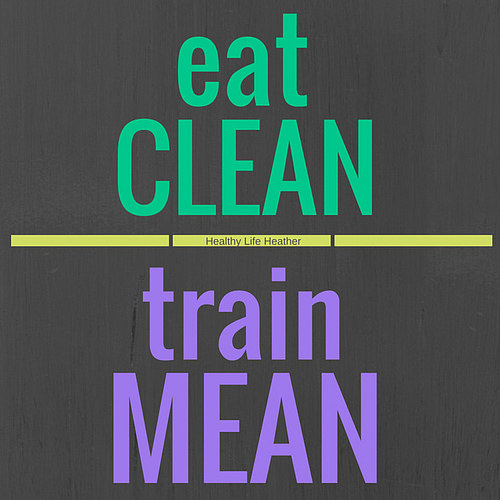
The most important thing? Getting my digestive health back on track. THEN, I can focus on EAT CLEAN/TRAIN MEAN.

eat clean train mean

Back pain and spine health

One morning in my early 20s, I woke up with a pain in my lower back. I went to the gym anyway, assuming that my muscles were talking to me after a tough abs workout the day before. When the pain continued over the course of the week and my range of motion became more limited, I knew I could no longer blame it on sore muscles.

I started seeing a chiropractor a family member was working with at the time and found some relief. From that time forward I wasn’t able to go more than 4-6 weeks without a visit, and a visit every 2-3 weeks was more common.

Since that first experience with back pain, I’ve continued to suffer with spinal health issues over the years. I’ve worked with several chiropractors as I’ve traveled or moved to new locations, and frequent visits have helped keep things fairly manageable. However, in the last 4-5 months I’ve experienced more consistent lower back pain, especially with exercise, and I’ve found myself going back and forth with periods of rest (for my back) and those with moderate exercise (as I love to move and try to make up for lost time).

I knew that this see-saw approach wasn’t healthy or sustainable, so I’ve just started working with an Egoscue therapist. I hope we can address possible issues with my posture, and I can live a more pain-free life. I’m already seeing improvements and hope that in the months to come I’ll experience even more positive change.

Sleep (or lack thereof)

For as long as I can remember, I’ve never been a good sleeper.

I was the kid in kindergarten who couldn’t fall asleep during nap time.

For nearly a decade, I’ve struggled to sleep more than five hours a night. I know not everyone needs the recommended eight hours a night, but by mid-day, I’m exhausted. Usually I wake up between 3:00-3:30am and am unable to fall back to sleep until 5:30-6:00am — by this time, however, I need to get up and get ready for work!

When I started working with the integrative medicine doctor, we discussed my long-standing troubles with sleep. He recommended a couple of supplements, which have helped, and I’m experimenting with other suggestions and techniques to get a good night’s rest. Of course I’ll share more details on what has worked for me in the near future!

Eat well. Move well. Sleep well. Be well.

Eat well. Move well. Sleep well. Be well. I think this needs to be the tag line for Healthy Life Heather — they’re things I want to do and be. Healthy Life Heather will share my gut-healing journey, as well as how I’m working toward health and wellness on all fronts, using food, functional medicine, and faith in the process.

By the way, and this should come as no surprise, although I’m starting a blog about wellness, I’m far from perfect. I spend more time with Netflix than I should. At the moment, I’m enjoying more paleo treats than I ought to. I definitely need to stress less. Like all of us, I’m a work in progress.

This glimpse into my background is only the beginning. I hope the stories to come are interesting, helpful, and encouraging for you, no matter where you may be on the road to wellness.

Thanks for reading! I’m looking forward to your story telling in the comments.

Filed Under: wellnessjourney

  • « Previous Page
  • 1
  • 2
  • 3

About Me

Welcome! I'm Heather, and I'm on a mission to restore my health through food, functional medicine, and faith. On Healthy Life Heather, I'll share the information and resources I'm using in my road to wellness in hopes that they can help you too. Oh, and if you love baking, we'll get along just fine.

Sign up and never miss a recipe or new post!

* indicates required

Search

Vitacost Healther Life Heather Discount

Copyright © 2026 Heather R Palmer LLC · All Rights Reserved · About Me · Disclaimer

Copyright © 2026 · Lifestyle Pro Theme on Genesis Framework · WordPress · Log in